October 21, 2024
Why Robotic Automation Companies Need Video Content
Learn how robotic automation companies can use video, photography, and digital marketing to showcase systems, build trust, and support sales.

Robotic automation companies build some incredible technology. From custom robotic cells and automated assembly systems to material handling and manufacturing equipment, the work is often complex, highly technical, and difficult to explain to someone who hasn't seen it in action.
And that's exactly why professional video production, photography, and digital marketing matter.
When potential customers are researching automation solutions, they want to understand what your company can do, how your systems work, and whether your team has the expertise to solve their manufacturing challenges.
A list of capabilities on your website only tells part of that story.
Showing your systems in action helps potential customers understand the value behind the technology.
At Visual Creative Co., we've worked with robotic automation companies to turn technical processes, completed systems, and engineering expertise into useful content for websites, social media, recruiting, and sales.
Here's why that matters and how automation companies can approach content creation without compromising proprietary information.
Robotic automation is a significant investment. Before a manufacturer chooses an automation integrator, they want confidence that the company understands their challenges and can deliver the right solution.
Your website might explain that you specialize in robotic integration, material handling, machine tending, or custom automated systems.
But what does that actually look like?
A video showing a completed robotic cell operating gives potential customers something tangible to evaluate.
Professional photography of your equipment, facility, and engineering team adds another layer of credibility.
Instead of simply saying you're experienced, you're showing the work behind that experience.
Content worth creating includes:
These assets help buyers become familiar with your company before they reach out.
They also give your sales team material to share during conversations with prospective customers.
One concern we regularly encounter when filming industrial automation is confidentiality.
Manufacturers and automation integrators may be working with proprietary equipment, custom engineering, or processes covered by customer agreements.
Understandably, they don't want those details shared publicly.
But you don't need to show everything to create valuable content.
The key is deciding what can be filmed before production begins.
For example, a robotic system demonstration might focus on the equipment's overall operation rather than exposing confidential programming, engineering drawings, or customer-specific components.
You can also create content around:
A well-planned production should include a discussion about filming restrictions, required approvals, and what information can be shared.
That allows your company to demonstrate its expertise while respecting customer confidentiality.
Our Photo & Video Production services are built around planning what needs to be captured, where the content will be used, and how to create useful media from a production day.
Your engineers understand the technology. Your customers may understand manufacturing. But that doesn't mean every potential buyer understands the specific solution you're offering.
And in automation, the person researching a system isn't always the person making the final purchasing decision.
An engineering manager might want to understand technical capabilities, while an operations manager may be more interested in throughput, efficiency, labor requirements, and production challenges.
Video helps connect those conversations.
For example, instead of explaining a robotic material handling system entirely through technical specifications, a short demonstration could show the system performing its intended function.
An engineer could then explain:
That content can be used on your website, during sales presentations, or in conversations with manufacturers considering similar projects.
The goal isn't to replace technical documentation.
It's to help people understand the solution before they need to dive into every technical detail.
One of the biggest missed opportunities for automation companies is completing an impressive project and never documenting it.
Your team spends months engineering, building, integrating, and testing a system.
Then it ships to the customer, and the opportunity to capture meaningful content may be gone.
A little planning can change that.
Before a system leaves your facility, consider scheduling time to photograph and film it in operation, assuming customer approval and confidentiality requirements allow it.
One production session could create:
You don't necessarily need to create something new every week.
You need a repeatable way to capture the work you're already doing and use it across multiple channels.
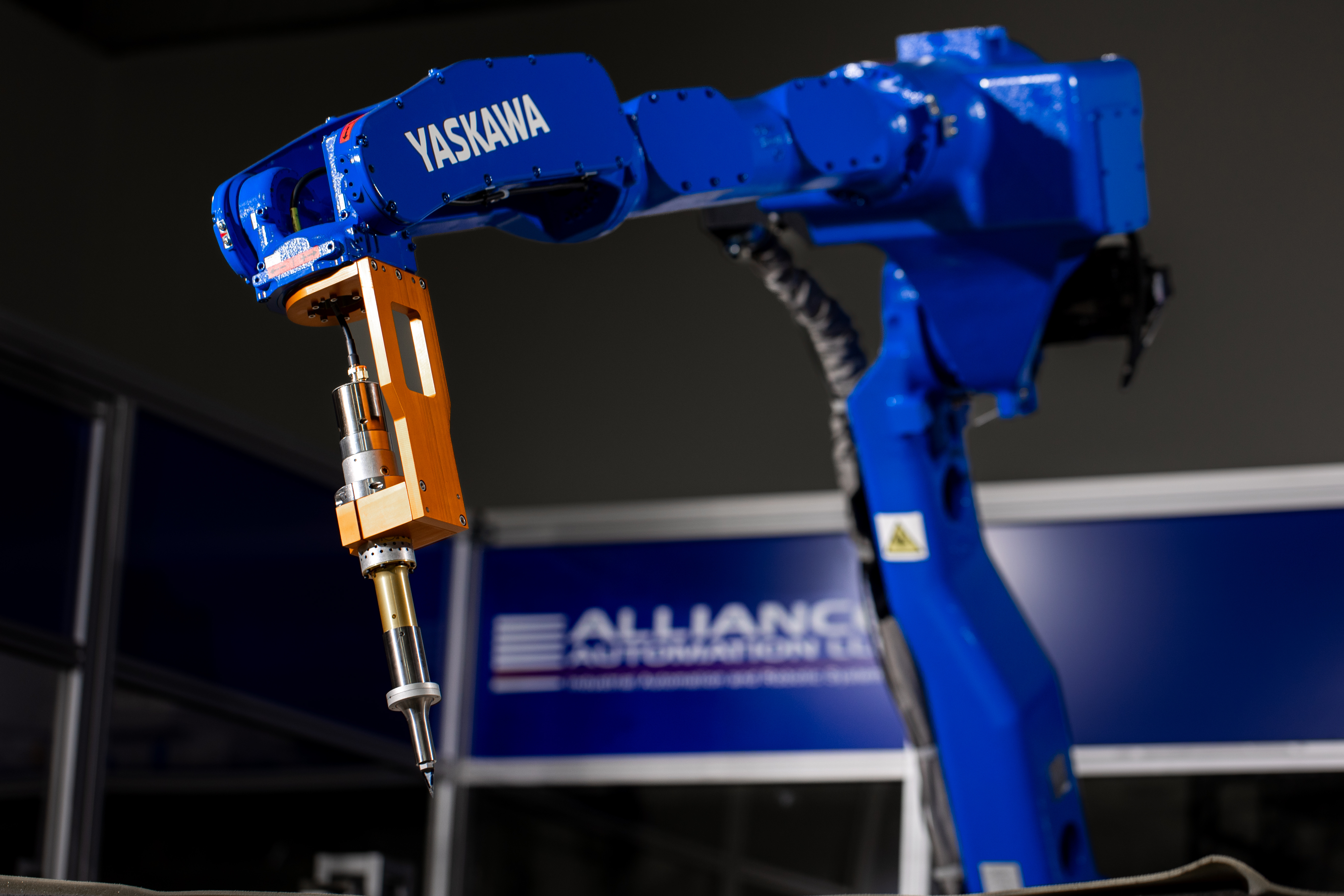
A good example is our work with Alliance Automation, a company that develops custom robotic automation systems for manufacturers.
Our work involved helping the company communicate its capabilities through website improvements, professional photography, educational videos, and content featuring completed robotic systems.
Rather than simply filming machines running, we focused on the engineering, people, and manufacturing challenges behind the equipment.
That gave Alliance Automation a growing collection of assets to use across its website, LinkedIn, YouTube, recruiting, and sales conversations.
You can see the work and our approach in our Alliance Automation case study.
It's an example of how video production, photography, and website content can work together to communicate technical expertise.
Your website is often one of the first places a prospective customer goes to evaluate your company.
For robotic automation businesses, it needs to do more than list equipment and services.
It should help visitors understand your capabilities, see examples of completed work, and know what to do next.
Consider two automation companies offering similar services.
One has a website with short descriptions of its capabilities and a few generic images.
The other has detailed service information, professional photography, videos demonstrating completed systems, and examples of projects its team has delivered.
The second company gives visitors more information to help evaluate its capabilities.
That's not a guarantee of more leads, but it can make the website substantially more useful to prospective customers.
A strong automation website should connect your services with real examples of your work.
That might mean linking a robotic welding service page to an approved welding cell demonstration, or featuring a project case study alongside a relevant automation capability.
Your video and photography help explain the work. Your website organizes that information into something potential customers can actually navigate.
Our Website Design services focus on creating websites that bring together content, clear messaging, and a practical path for visitors to get in touch.
Robotic automation projects often have long timelines.
Customers may spend months evaluating options, discussing budgets, reviewing designs, and preparing for implementation.
That means your marketing shouldn't depend entirely on announcing completed projects.
You can stay visible by sharing useful information throughout the year.
For example:
LinkedIn and YouTube can be particularly useful places to share this material with industry professionals.
And if your company has already invested in professional photography and video production, those assets can support multiple posts, campaigns, and conversations.
The important part is having a plan for how everything gets used.
Our Digital Marketing services help businesses connect content planning, social media management, and advertising with their broader marketing goals.
Not every automation company needs an aggressive advertising campaign or daily social media posts.
But having useful content available when potential customers research your business can make a meaningful difference.
If your robotic automation company hasn't invested much in video production or professional photography, you don't need to start with an enormous marketing campaign.
Start by identifying a few opportunities already inside your business.
Maybe you have a completed system scheduled for testing next month.
Maybe an engineer could explain a common manufacturing problem in a short interview.
Or perhaps your website needs updated photography showing your facility, team, and equipment.
Choose content that will be useful beyond a single social media post.
A system demonstration could support a website service page, a LinkedIn post, and a sales conversation.
An engineering interview could become several educational clips.
Professional facility photography could support your website, recruiting materials, and company presentations.
The goal is to create content that keeps working for your business after the production day is over.
Not every robotic automation company needs to become a full-time content publisher.
But if you're building sophisticated equipment, solving manufacturing challenges, and investing in technical expertise, there's value in helping prospective customers see and understand that work.
Professional video production and photography can help demonstrate your capabilities, explain complex solutions, support your sales team, and build a stronger online presence.
And with the right planning, you can do it without revealing confidential information or disrupting your operations.
At Visual Creative Co., we help Michigan businesses create photo, video, website, and marketing content that reflects the work they actually do.
Whether you're preparing to document a completed robotic system, updating your company's website, or trying to create a more consistent content strategy, we can help you figure out what makes sense.
Explore our creative services or get in touch to discuss your next project.
Our latest news and trending topics