April 17, 2024
What Is Creative Video Production?
What creative video production actually is, why your business needs it, and how we make it without boring anyone to death.
What creative video production actually is, why your business needs it, and how to make something people might willingly watch.
Somewhere in Michigan right now, a business owner is pointing a phone at a forklift and calling it marketing. And technically, they're not wrong. It's video. It's a forklift. The red button was pressed. Evidence exists.
But there is a wide and dangerous stretch of highway between having video footage and creating something people actually want to watch. That’s where creative video production comes in.
We've been making video for Michigan businesses out of Howell since 2017, and we've seen both ends of this thing. We've seen great businesses look painfully boring on camera, ordinary jobs turn into incredible stories, and expensive cameras pointed at absolutely nothing worth watching.
The gear isn't the magic.
The idea is.
Creative video production is the process of taking what a business does and turning it into something people will actually pay attention to.
That’s the clean definition. The messier version involves storytelling, lighting, sound, pacing, editing, music, strategy, timing, occasionally standing in a parking lot at sunrise, and figuring out why anybody should care about what we're pointing the camera at. Anyone can record what happened. Creative production decides how it should feel.
Imagine you're a contractor replacing a seawall. The obvious video is a camera pointed at an excavator moving dirt around. The better video shows the shoreline before the project, the problem the homeowner was dealing with, the crew tearing into it, the process taking shape, and the finished shoreline when everything finally comes together.
Same project. Completely different story.
That's the difference.
Businesses tend to think video production starts when the camera turns on. It doesn't. By then, most of the important decisions should already be made.
Who are we talking to? What do we want them to understand? What's actually interesting here? What should we show instead of explain? Where is this video going to live, and what should somebody do after watching it?
You can shoot a terrible idea on a $10,000 camera and end up with an extremely sharp, beautifully colored terrible idea. Or you can understand the story first and make something useful with considerably less.
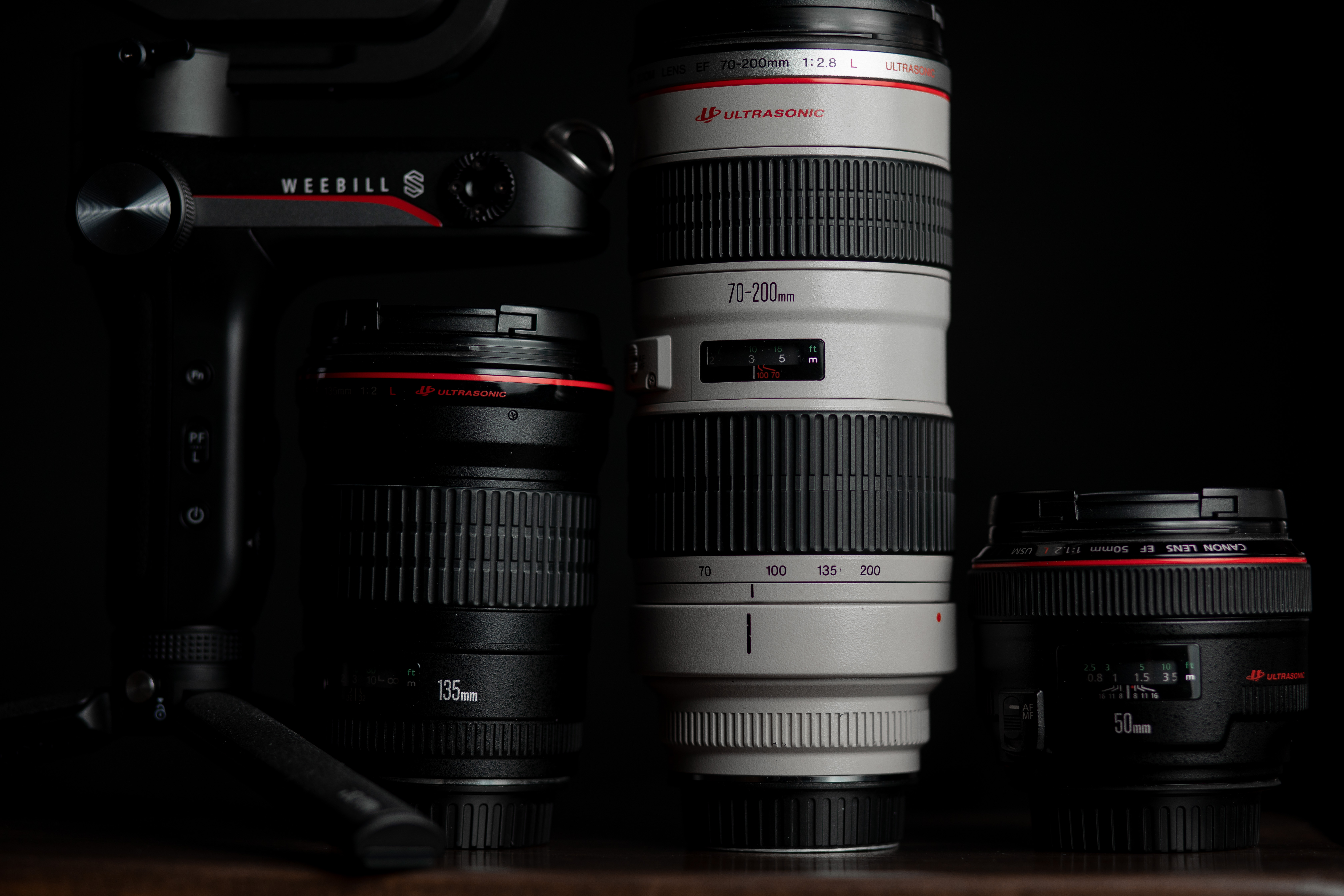
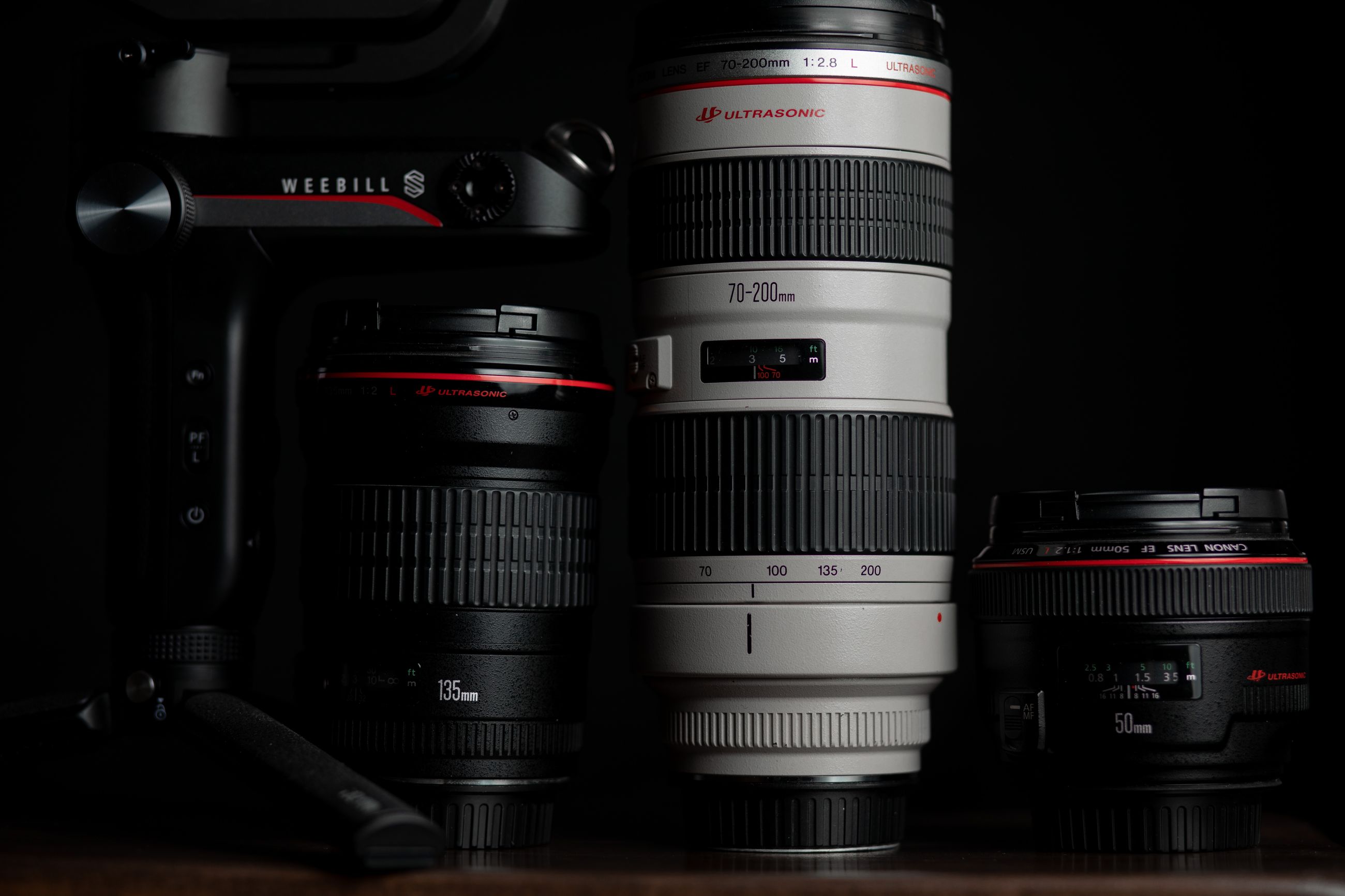
We like nice cameras. We own nice cameras. But the camera doesn't know what you're trying to say.
That's our job.
Not every business needs a dramatic three-minute brand film with sweeping drone shots and somebody staring thoughtfully through a warehouse window. Sometimes you just need good content, and a handful of formats tend to do most of the heavy lifting.
Who are you? Why does the company exist? Why do you do things the way you do?
A good brand video gives people a reason to understand the business behind the logo. It works well on homepages, About pages, sales presentations, and anywhere somebody is deciding whether they trust you. The goal isn't to manufacture some grand corporate mythology. It's to give people a clearer picture of who they're considering doing business with.
You can spend all day telling people you're great.
You own the place.
A customer saying it carries considerably more weight.
Good testimonial videos aren't stiff scripts with somebody staring directly into a camera trying to remember the sentence they rehearsed in the parking lot. They're conversations that pull out specific stories, experiences, problems, and results. That's where the believable stuff lives.
If your business builds, installs, repairs, manufactures, paints, coats, welds, excavates, landscapes, automates, or otherwise makes something happen in the physical world, you have an unfair advantage: you can show it.
Show what it looked like before, what happened during the work, the interesting parts of the process, the equipment, the people doing it, and what the finished project looks like when the dust clears.
Use it.
Some businesses are difficult to understand. You know exactly what you do because you've explained it 4,000 times. Your customer has been on your website for eleven seconds and is still trying to figure out what any of it means.
A good service video closes that gap quickly. Show the process, explain what happens, answer the question they're already asking, and let people understand the service before they ever have to call you.
Reels. Shorts. TikToks. Vertical video. Whatever we're calling the next one.
Short-form content gives businesses a way to consistently show their expertise, people, projects, opinions, and personality without producing a full commercial every Tuesday.
And no, every video does not need to begin with someone pointing at text floating above their head.
There's another way.
The smart approach is usually to capture several pieces of content during one production session. One crew, one setup, one chunk of your calendar, and enough material to create a useful stack of content instead of treating every 45-second video like its own production.
Nobody goes home thinking about your bullet list of service features. They remember the owner talking about why he started the company, the employee who's been there for 27 years, the house before the renovation, or the machine throwing sparks across the shop.
Facts matter, but stories give those facts somewhere to live. That's what makes video different from another paragraph of marketing copy trying desperately to explain why your company is “committed to quality.”
Open five competitor websites in almost any industry and you'll encounter the same strange corporate soup: quality, integrity, customer service, competitive pricing, family owned, industry leading.
Fine. Everybody has apparently achieved excellence.
Video forces you to show something real: your people, your shop, your work, your customers, your process, and your personality. Suddenly you don't sound exactly like the other six companies bidding on the same job because people can actually see what makes you different.
A good shoot shouldn't produce one lonely MP4 file that gets posted to Facebook and disappears into the void three days later.
A properly planned production can create material for your website, short-form social content, paid ads, testimonials, project videos, photography, sales presentations, Google Business Profile, email marketing, and a library of B-roll you can keep pulling from later.
That's where creative planning starts paying for itself. You're not just asking, “What video should we make?” You're asking, “While we're here, what can we capture that the business can actually use?”
Most businesses don't really have a traffic problem. They have a trust problem.
A potential customer lands on the website and starts quietly asking questions. Are these people legitimate? Do they know what they're doing? Have they done this before? What happens if I call? Are these the kind of people I want at my house, inside my facility, or anywhere near an expensive project?
Video answers a lot of those questions without announcing that it's answering them. People can see you, hear you, watch the work happen, and meet the people behind the company. The unknown becomes a little less unknown, and that makes the next step easier.
Some things are miserable to explain with paragraphs.
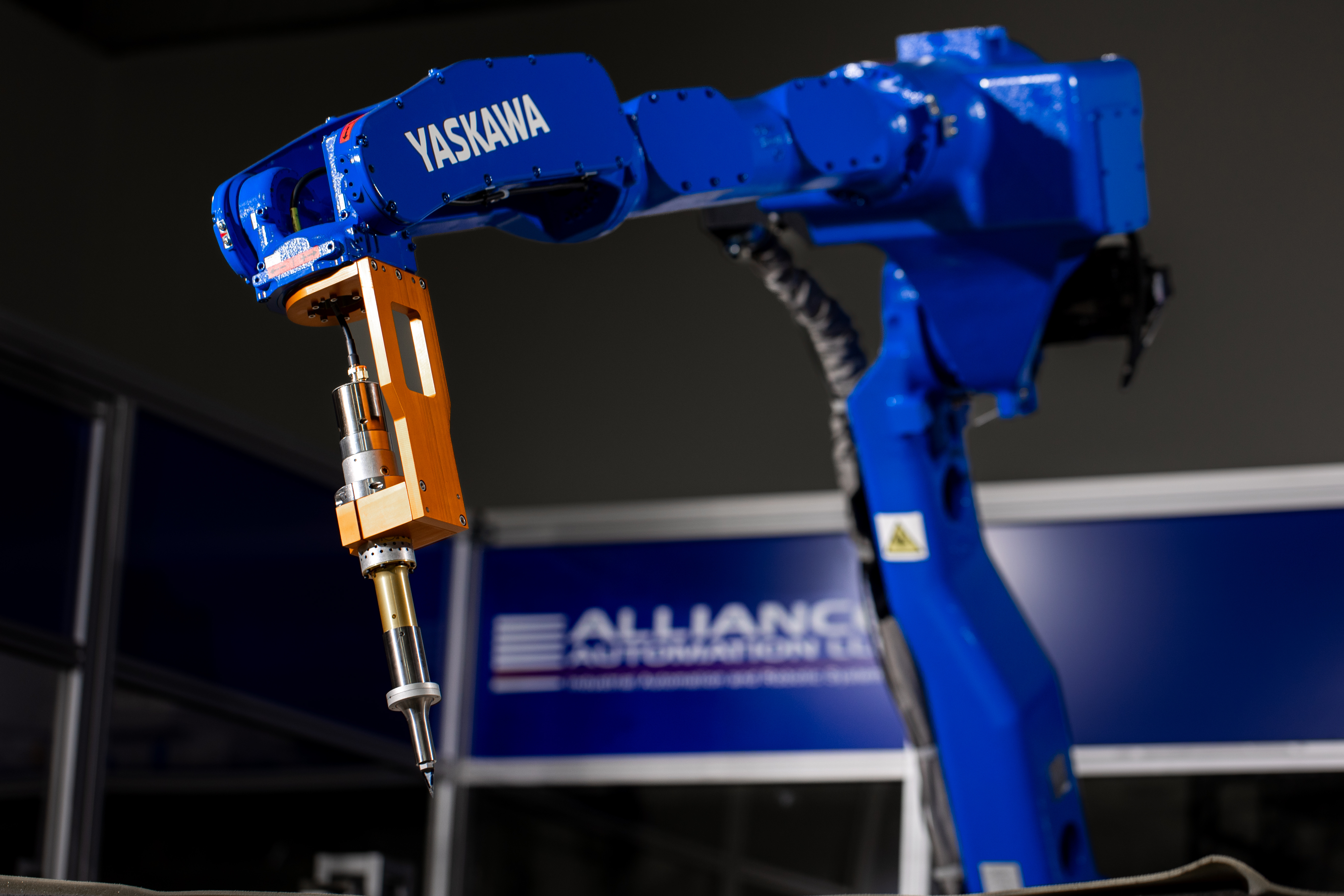
Industrial automation is a good example. You can spend 900 words explaining what a robotic system does, or you can turn the machine on.
Suddenly everybody understands.
Video lets businesses demonstrate instead of constantly describe. Whenever you can show instead of tell, you probably should.
There is, despite occasional evidence to the contrary, a method to this. We don't show up with cameras, wander around the building for four hours, and hope the marketing gods provide us with a story.
Before production, we figure out what we're making and why. Who's watching? What matters to them? What does the business need this content to accomplish?
Sometimes the answer is obvious. Sometimes we have to dig a little.
Digging is usually where the good ideas are.
Every good video needs some kind of spine, but that doesn't necessarily mean a word-for-word script. In fact, for a lot of the business content we make, we'd rather ask good questions and let people talk about something they already understand.
That's where you get the unexpected sentence, the weird little detail, the customer story nobody thought to put in the marketing plan, or the answer that suddenly gives us three more video ideas.
If you want to know more about that approach, we wrote an entire article about why we ask questions instead of giving clients scripts.
Then the cameras come out. Interviews, projects, people working, details, wide shots, drone footage, machines running, hands moving, and whatever else helps tell the story.
The goal isn't to collect the maximum possible amount of footage. It's to collect the right footage. There is no prize waiting for us back at the office because we came home with six terabytes of material nobody will ever use.
Editing is where a pile of disconnected moments becomes a video. We find the strongest lines, cut the dead space, build the pace, clean up the audio, color the footage, add music, and use graphics where they actually help.
Sometimes the best editing decision is adding something. Very often it's deleting it.
The finished video should say what it needs to say, feel like the business it represents, and end before the viewer starts wondering how much longer this thing is going to go.
A website video is not a Reel. A Reel is not a YouTube video. A YouTube video is not a Meta ad.
You can use the same production to create all of them, but the finished content should understand where it's going. Different dimensions, different pacing, different attention spans, and different goals all change the way something should be shot and edited.
We plan for those versions before filming whenever possible, because trying to manufacture a vertical video later from a shot where the subject is standing six feet off to the left is not a particularly clever use of anyone's time.
Enough theory. Here's what it looks like when the camera is pointed at something real.
Creative video content lets HVAC service providers teach their audience something useful and prove they’re the experts before anyone calls.
Creative video content gives an IT support firm a way to show, not tell, what sets them apart. That turns tech jargon into a reason to pick up the phone.
Creative video content doesn’t have to eat your calendar. One or two sessions a month keeps you consistent online and gives you your time back.
Creative video content for robotic automation shows buyers what your systems can actually do. The range of capabilities, the speed, and the production gains they’d be signing up for.
Creative video content lets marine contractors show the finished work, how the crew operates, and the grit that goes into every project.
It depends on what you're making. A few short-form videos captured during one production session are a very different project from a full brand film involving multiple locations, interviews, drone work, graphics, and several days of editing.
The better question is usually: what content does the business actually need?
Start there, then build the production around it. If you want actual numbers, we put together a more detailed breakdown of video production costs for small businesses in Michigan.
Sometimes an hour. Sometimes a few hours. Occasionally a full day or more if we're covering multiple locations or a larger story.
The important part is planning the production before arriving so we're not consuming your entire day trying to figure out what to film next. For recurring content, we can often capture several videos during one session, which is usually a much better use of everyone's time.
Usually, no.
If something needs to be extremely specific, carefully worded, or delivered exactly the same way every time, a script can make sense. But if you're the owner of a construction company talking about something you know better than anybody else in the room, we'd usually rather talk to you.
We use questions and talking points to guide the conversation. You answer naturally, and we find the strongest moments afterward. It sounds better because it is better.
You can read more about why we use questions instead of scripts here.
Almost everybody tells us some version of this.
“I'm awkward.” “I hate hearing myself.” “I don't know what to say.”
You're not auditioning for television. We'll talk, ask questions, and keep things conversational until you stop thinking quite so much about the camera sitting in front of you.
And if you stumble over a sentence, start over. That's why editing software exists.
Absolutely. In fact, that's usually how we prefer to plan it.
If we're already bringing cameras, lights, audio equipment, and the rest of the gear into your business, we should be thinking about everything that production can become: website content, social clips, advertising creative, photography, testimonials, project footage, sales material, and a library of useful B-roll for future campaigns.
The goal isn't simply to make a video.
The goal is to make content your business can actually use.
If you already know you need professional photo or video production, take a look at our photo and video production services and let's make something.
If you're staring at your website, social media, advertising, and seventeen half-finished marketing ideas wondering which one you're supposed to tackle first, that's a different problem. That's why we created Content Launch.
We review what you're currently doing across your website, content, social media, and marketing, figure out what's missing, and build a clear plan for what should happen next. No producing content just because somebody said businesses should post more. No burning half a day filming things you don't actually need.
Figure out the next move. Then go make it.
The camera is charged.
Now we just need something worth pointing it at.
Our latest news and trending topics